Microsoft Excel Tips for Small Business Owners: The Direct Answer
Small business owners should use Excel tables for expense tracking, key formulas for automation, Copilot for instant analysis, and simple dashboards for visibility. Excel is far more than a spreadsheet — used well, it is a lightweight business management tool. Here are the tips that matter most.
Tip 1: Use Tables for Everything
Turn any data range into an Excel Table (Ctrl+T). Tables auto-expand as you add rows, include built-in filtering and totals, and make formulas cleaner. For expense tracking, sales logs, and inventory, Tables are the foundation.
Tip 2: Master a Handful of Formulas
You do not need to be an Excel expert — just know the essentials: SUM for totals, SUMIF to total by category, IF for logic, and XLOOKUP to find data. These five handle most small business analysis. With Copilot in Microsoft 365, you can also just describe what you want and let AI write the formula.
Tip 3: Let Copilot Do the Heavy Lifting
Copilot in Excel is a game-changer for non-experts. Ask it in plain language: "total expenses by category last quarter" or "show my top 5 customers by revenue" — and it generates the analysis, formula, or chart. It makes Excel's power accessible without the learning curve.
Tip 4: Build a Simple Dashboard
Create a one-page dashboard with your key numbers: revenue, expenses, profit, top products, outstanding invoices. A few SUMIF formulas and charts give you an at-a-glance view of your business health that you update weekly.
Tip 5: Know When to Graduate to QuickBooks
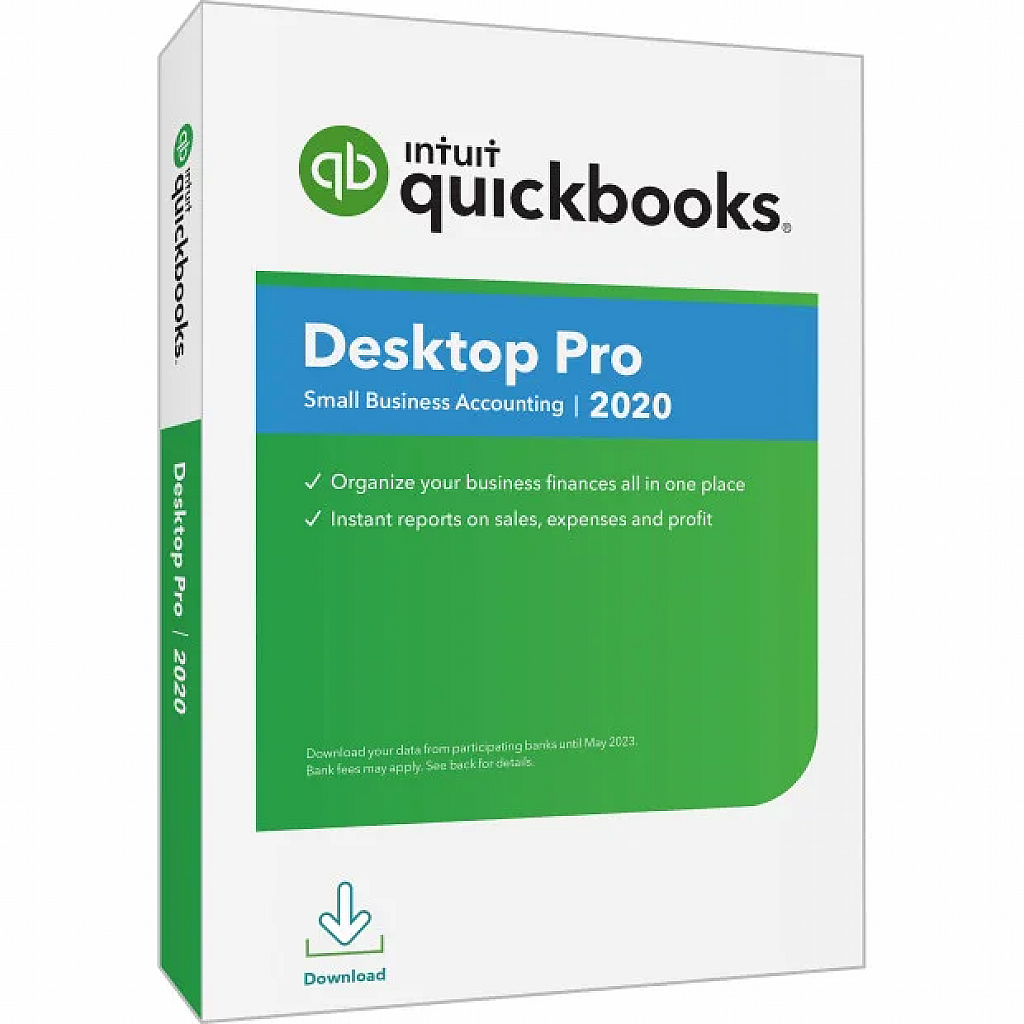
Excel is great for analysis, but it is not an accounting system — no automatic bank feeds, invoicing, or tax reports. When manual tracking becomes tedious, move your books to QuickBooks and keep Excel for custom analysis. See the products below for both.
The Bottom Line
Use Excel Tables, a few key formulas, Copilot for analysis, and a simple dashboard to run your business with real numbers. See the product below for Microsoft 365 at a competitive price.